
MT5 vs Proprietary Platforms: 2026
Which CFD trading platform actually suits your style? We break down the real differences.

Is MetaTrader 5 or a proprietary platform better for CFD trading in 2026?
MT5 is better for algorithmic and advanced technical CFD traders in 2026, offering MQL5 automation, 38 built-in indicators, and deep multi-asset access. Proprietary platforms are better for beginners and discretionary traders who value simplicity, faster onboarding, and cleaner mobile experiences over raw customization power.
The Platform Debate That Won't Quit
Every year, traders ask the same question: should I use MetaTrader 5 or go with my broker's own platform? In 2026, the answer is still genuinely complicated, and anyone who tells you otherwise is probably trying to sell you something.
MT5 has been around since 2010. It was built as MetaQuotes' answer to the multi-asset future of retail trading, expanding beyond MT4's forex-centric roots to cover stocks, indices, commodities, and crypto CFDs under one roof. For algo traders and technical analysts, it became the gold standard. For everyone else? Honestly, it can feel like being handed a Boeing cockpit when you just want to drive to the shops.
Meanwhile, brokers started building their own platforms. Some were genuinely innovative. Others were just MT5 with a fresh coat of paint and a logo slapped on. But a handful, including Libertex's proprietary interface, took a different philosophical approach entirely: strip out the complexity, surface the information traders actually need, and make the whole experience feel less like configuring a server rack.
The result in 2026 is a market split between two distinct philosophies. MT5 remains the preference for prop firm participants, scalpers running expert advisors, and anyone building diversified CFD portfolios across multiple asset classes. Proprietary platforms have carved out a strong position among retail beginners and discretionary traders who trade occasionally rather than professionally.
Understanding which camp you fall into matters more than any feature checklist. The best CFD trading platform in 2026 is the one that matches how you actually trade, not the one with the longest spec sheet.
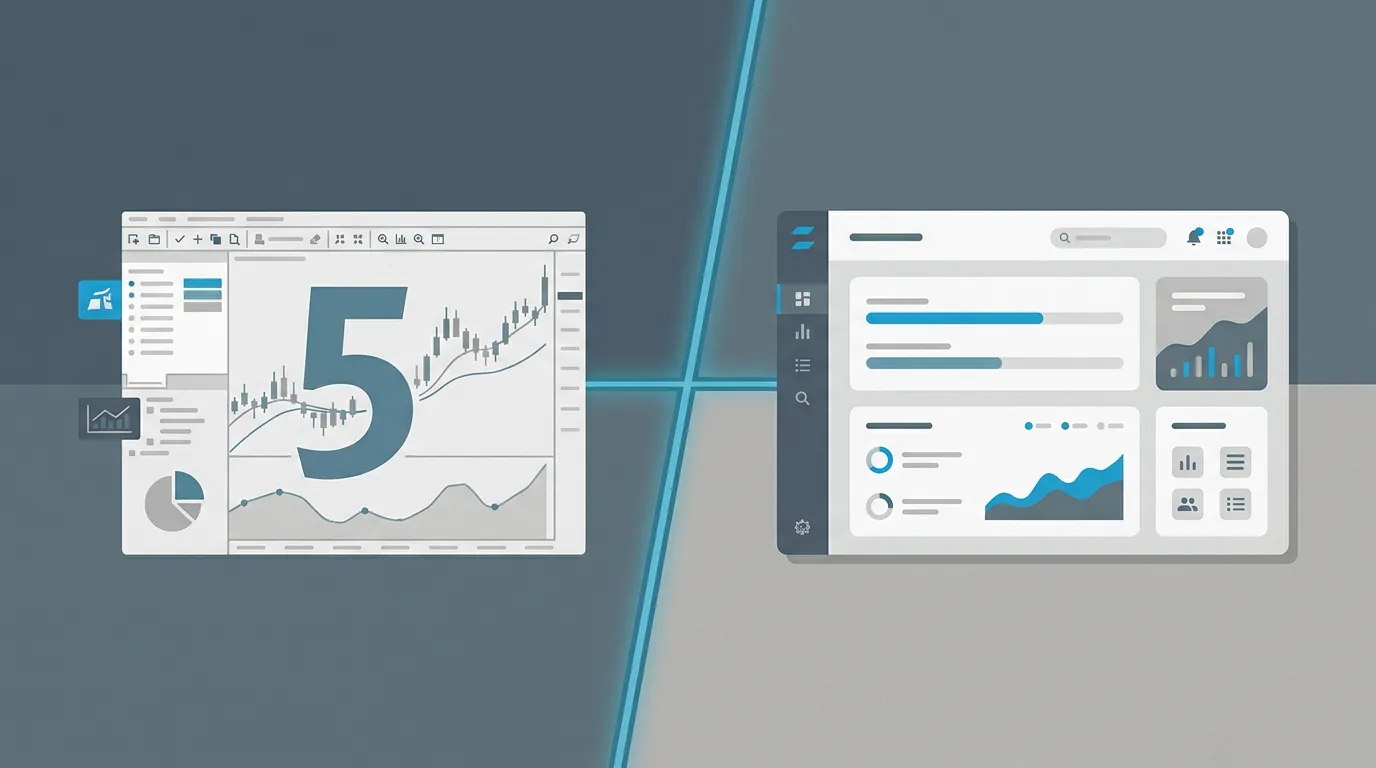
What MT5 Actually Offers (And Where It Falls Short)
MT5's technical credentials are hard to argue with. The platform ships with 21 timeframes, 38 built-in indicators, an integrated economic calendar, and Depth of Market data that shows you real order book activity. For CFD traders running strategies that depend on precise entry timing, that DoM view alone can be worth the learning curve.
The Algorithmic Edge
The real differentiator is MQL5. This is MT5's built-in programming language, and it lets traders build, test, and deploy automated trading strategies called Expert Advisors. The backtesting engine is multi-threaded, meaning it can process large historical datasets across multiple instruments simultaneously. For a CFD scalper optimizing a strategy across EUR/USD, gold, and the S&P 500 index, that speed matters.
Brokers like IC Markets and Admirals have built their MT5 offerings around this functionality, pairing the platform with ECN execution and raw spreads from 0.0 pips. If algorithmic trading is your goal, that combination is genuinely difficult to beat in the current MT5 CFD broker market.
Where MT5 Gets Complicated
Here's the honest part: MT5 is resource-heavy. The desktop client demands a reasonably modern machine, the mobile app has a steeper learning curve than most proprietary alternatives, and the sheer volume of settings can paralyze a new trader. Six pending order types sounds like a feature until you're trying to figure out the difference between a Buy Stop Limit and a regular Buy Stop at 11pm on a Sunday.
- Charting depth: 21 timeframes and 38 indicators give serious technical analysts everything they need
- Automation: MQL5 Expert Advisors with multi-threaded backtesting across CFD instruments
- Order types: Six pending order types including Buy/Sell Stop Limit for complex entry strategies
- Instrument access: Forex, indices, commodities, crypto CFDs, stocks, and futures through a single interface
- Learning curve: Significant. New traders often spend weeks before feeling comfortable
The MetaTrader 5 vs proprietary platform debate often hinges on this last point. MT5's power is real, but so is its complexity.
Try Before You Commit
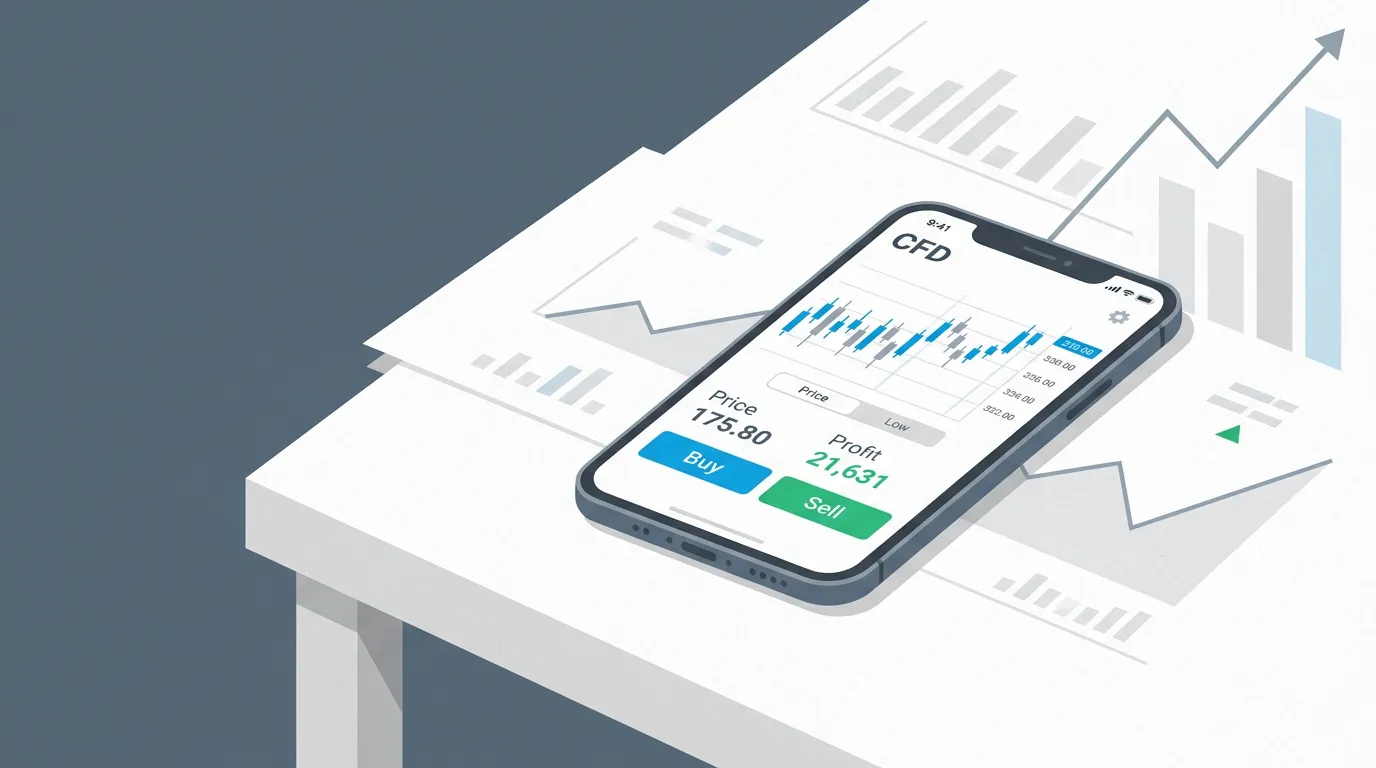
The Case for Proprietary Platforms in 2026
Proprietary platforms don't win on raw feature count. That's not the point of them. What they do well is reduce the cognitive load of trading, which turns out to matter quite a lot when you're managing real money and real risk.
Libertex's platform is a good example of this philosophy in action. Rather than presenting traders with a wall of indicators and a six-tab settings menu, it surfaces the information that most discretionary traders actually use: clear price data, transparent fee structures, and streamlined order execution. For a beginner trying to understand what they're paying per trade, that transparency is genuinely valuable. MT5's cost structure, by contrast, depends entirely on how the individual broker has configured it.
Mobile Experience: A Real Difference
In most emerging markets and among younger retail traders globally, mobile is the primary trading interface, not desktop. Proprietary platforms have generally done a better job of building touch-optimized experiences from the ground up. MT5's mobile app has improved considerably since 2023, but it still feels like a desktop platform that's been compressed, rather than something designed for a phone screen.
Plus500 is another example here. Its proprietary platform is almost entirely mobile-first in its design philosophy, with a clean interface that lets beginners filter instruments easily and execute trades without hunting through menus.
Copy Trading Integration
One area where proprietary platforms consistently outperform MT5 is copy trading. eToro's platform, for instance, integrates social trading directly into the core experience, with transparent performance histories for over 30 million users. MT5 has a signals marketplace, but it's less integrated and requires more manual setup. For beginners who want to learn by following experienced traders, that difference is meaningful.
The honest summary: proprietary platforms trade customization for accessibility. Whether that's the right trade-off depends entirely on what you're trying to do.
Which Platform Type Suits You in 2026?
The practical question isn't which platform is objectively better. It's which one fits your actual trading behavior, your technical comfort level, and the kind of CFD strategies you're running or planning to run.
If You're a Beginner
Go proprietary. Full stop. MT5's complexity isn't a problem you want to solve while also learning how CFDs work, what leverage does to your position, and why risk management matters. Platforms like Libertex and Plus500 let you focus on the trading decisions rather than the platform mechanics. Start there, build confidence, then reassess once you have 6 to 12 months of real trading experience.
If You're an Intermediate Discretionary Trader
This is where it gets genuinely nuanced. If you trade occasionally, follow macroeconomic themes, and don't run automated strategies, a proprietary platform probably still serves you well. XTB's xStation platform, for example, offers a middle ground: more analytical depth than a pure beginner platform, but without MT5's full complexity. AvaTrade offers both MT5 and its own AvaTradeGO app, which lets you migrate between environments as your skills develop.
If You're an Algo or Advanced Technical Trader
MT5 is the answer. There's no proprietary platform in the current CFD platform comparison 2026 landscape that replicates MQL5's Expert Advisor ecosystem or MT5's backtesting engine. IC Markets and Admirals both pair MT5 with competitive ECN execution, making them strong choices for this trader profile.
- Beginners: Libertex proprietary, Plus500, or eToro for copy trading integration
- Intermediate discretionary: XTB xStation, AvaTrade (MT5 or AvaTradeGO), or Libertex
- Algo and advanced technical: IC Markets MT5, Admirals MT5, or AvaTrade MT5
One final note on regulation: whichever platform you choose, verify which regulatory entity your account falls under. Brokers like AvaTrade, IC Markets, and Admirals operate under multiple licenses including ASIC, CySEC, and FCA. The entity you're registered with affects your leverage limits, your investor protection level, and in some cases your available instruments. That's not a platform question, but it's one worth asking before you deposit anything.

Libertex
4.4Proprietary CFD platform built for clarity, not complexity
Min. Deposit: $100
Visit LibertexFrequently Asked Questions
Is MetaTrader 5 better than proprietary platforms for CFD trading in 2026?
Which brokers offer MetaTrader 5 for CFD trading?
What is the Libertex platform and how does it compare to MT5?
Can beginners use MetaTrader 5 for CFD trading?
What is the minimum deposit to start CFD trading on MT5 or proprietary platforms?
Does MT5 support copy trading for CFD markets?
Which CFD platform is best for mobile trading in 2026?
Sources & References
- [1] MT4 vs MT5: Which Platform Is Right for Your Trading in 2026? - BrightFunded (Accessed: Mar 1, 2026)
- [2] MT4 vs MT5 in 2026: Which Is Better? - PropFirmSwitch (Accessed: Mar 1, 2026)
- [3] Best Prop Firm in 2026: Detailed Comparison - InvestingLive (Accessed: Mar 1, 2026)
- [4] MT4 vs MT5: Key Differences for Brokers - Brokeree (Accessed: Mar 1, 2026)
- [5] Is MT5 Trading Platform Still the Top Choice in 2026? - EAera (Accessed: Mar 1, 2026)
- [6] Trading with MetaTrader 5 in 2026: For Beginners and Beyond - Myfxbook (Accessed: Mar 1, 2026)
- [7] Comparing the Top Trading Platforms for Prop Traders - PropFirmMatch (Accessed: Mar 1, 2026)