
Libertex vs Plus500: Forex Trading 2026
Which broker actually wins on forex conditions, fees, and beginner-friendliness?
Libertex
4.4/5

Plus500
4.2/5

Libertex vs Plus500: At a Glance
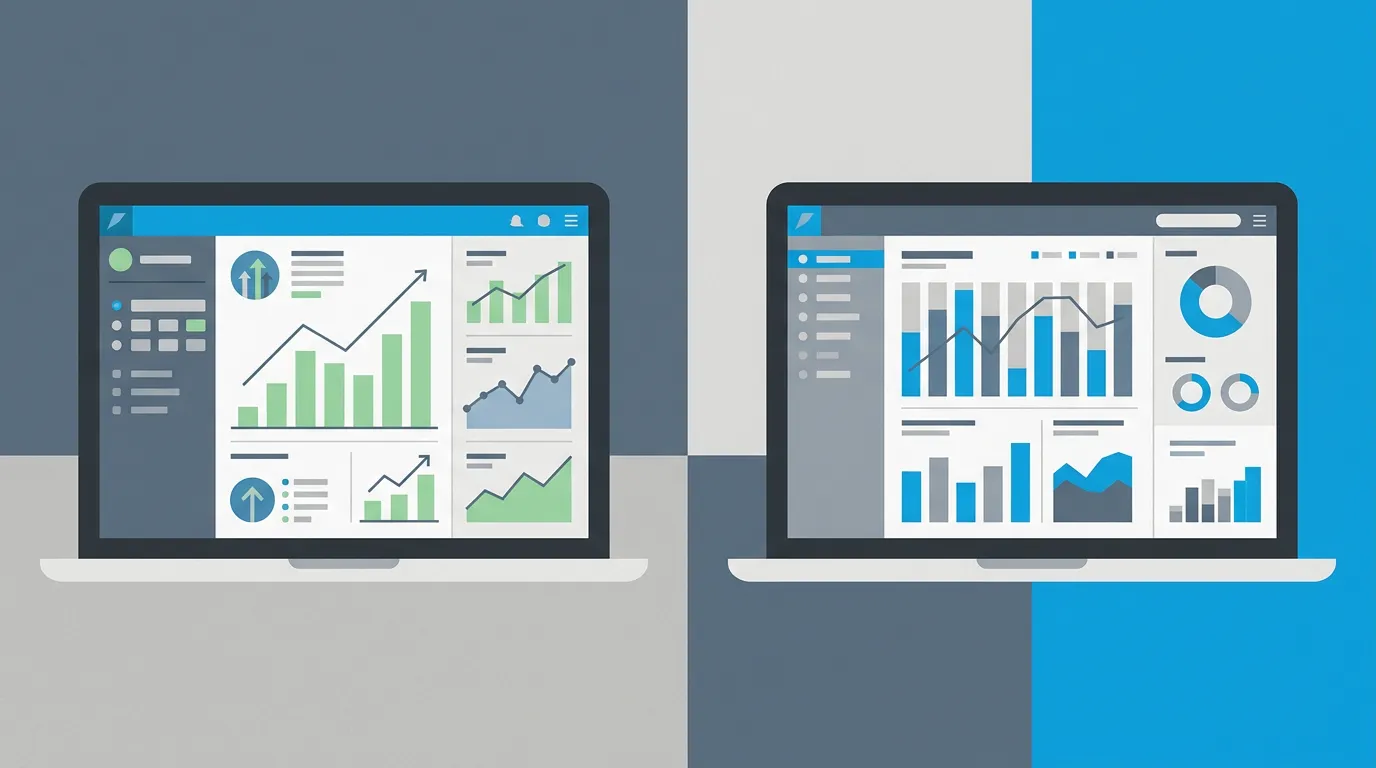
Libertex and Plus500 are both well-regulated CFD brokers with solid reputations, but they serve slightly different types of traders. Libertex wins on active forex trading costs, offering average EURUSD spreads of just 0.4 pips plus a $3 commission per lot. Plus500 charges no commission but widens spreads to around 1.2 pips on EURUSD, which suits lower-volume or swing traders better.
On platforms, Libertex gives you more options including MetaTrader 4 and MT5 alongside its own app, plus a copy trading feature called Libertex Social. Plus500 keeps things simple with its proprietary platform only, no MT4 or MT5 access, but the app is genuinely one of the cleanest and easiest to use in the industry.
Both brokers start from around $10 to $100 minimum deposit, offer unlimited demo accounts, and have 24/5 customer support. Regulation is strong on both sides. If you trade forex frequently and want lower costs, Libertex edges ahead. If you want a simple, no-fuss experience with broader stock CFD access, Plus500 is the pick.
Libertex vs Plus500: Side-by-Side Comparison
| Broker | Rating | Min Deposit | EURUSD Spread | Commission | Platforms | Copy Trading | Forex Pairs | Regulation | Best For |
|---|---|---|---|---|---|---|---|---|---|
| Libertex | 4.4 | $10 | 0.4 pips avg | $3 per lot | Libertex, MT4, MT5 | Yes (Libertex Social) | 51 | CySEC | Active forex traders, copy trading |
| Plus500 | 4.2 | $100 | 1.2 pips avg | None | Plus500 proprietary only | No | 65 | FCA, CySEC, ASIC | Swing traders, stock CFD diversity |

Regulation and Safety: How Do They Compare?
Both brokers are genuinely well-regulated, which matters a lot when you're putting real money on the line. That said, Plus500 has a slight edge in the breadth of its regulatory coverage.
Plus500 Regulation
Plus500 holds licenses from some of the most respected financial regulators in the world: the FCA in the UK, CySEC in Cyprus, and ASIC in Australia. It's also listed on the London Stock Exchange, which adds an extra layer of public accountability. Client funds are kept in segregated accounts, meaning your money stays separate from the company's operating funds. Negative balance protection is standard, so you can't lose more than you deposit.
Libertex Regulation
Libertex operates under CySEC regulation, which is a solid EU-passported license covering traders across Europe and many global markets. CySEC-regulated brokers must comply with MiFID II rules, including segregated client funds and negative balance protection. Libertex has been operating since 1997, which gives it a long track record in the industry.
What This Means for You
For most global traders, both brokers offer adequate protection. If you're based in the UK or Australia, Plus500's local FCA or ASIC entity may give you stronger recourse in disputes. For EU-based traders, both are covered under CySEC. One thing to check: global brokers often have multiple regulated entities, and the entity you sign up with determines which protections apply. Always verify which entity is handling your account during registration.
Neither broker has faced major regulatory sanctions in recent years, and both maintain the standard protections beginners need most: negative balance protection and segregated funds.
Platform and Tools: Which Is Better to Use?
This is honestly one of the biggest differences between these two brokers, and it comes down to what kind of trader you are or want to become.
Libertex Platform Options
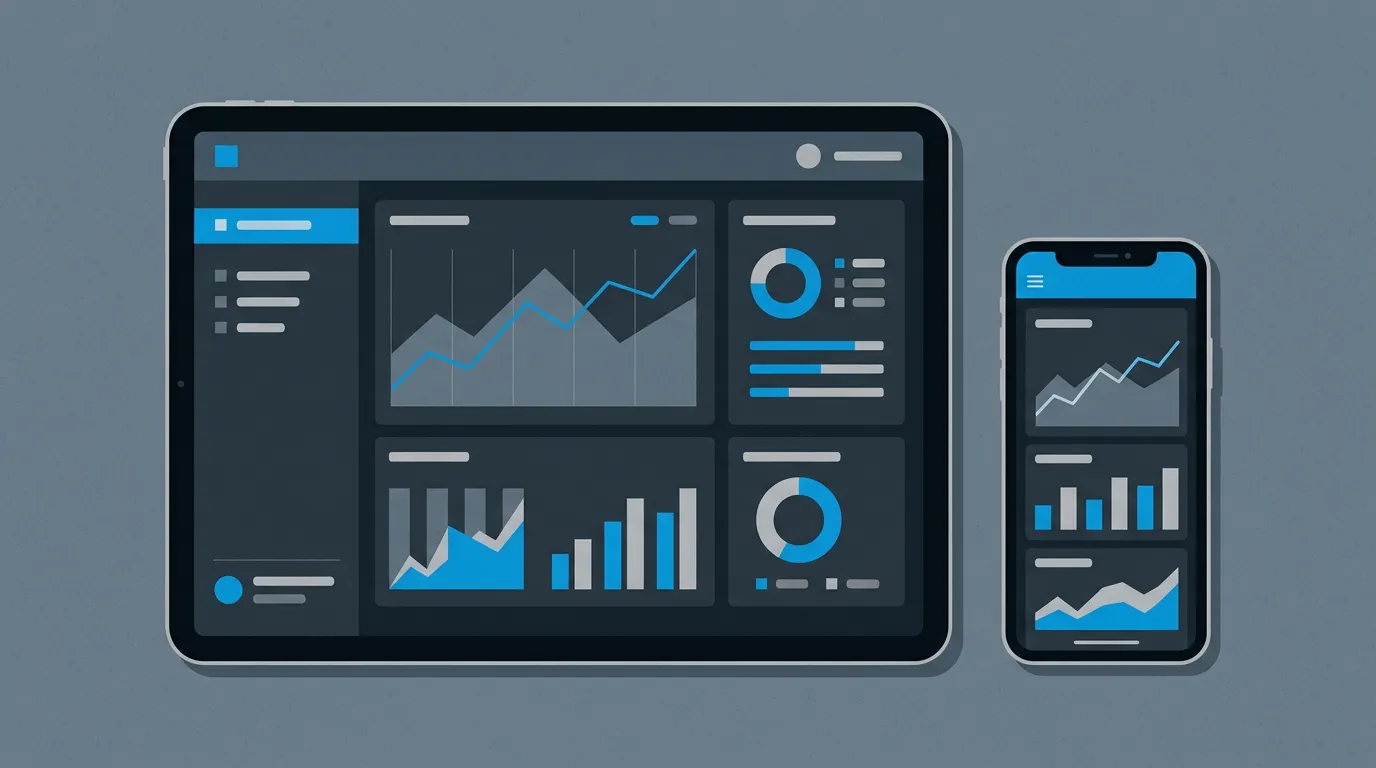
Libertex gives you three platforms to choose from. The proprietary Libertex app and web platform is clean and beginner-friendly, but the real bonus is MetaTrader 4 and MetaTrader 5 access. MT4 and MT5 are the industry standard for forex trading globally, with powerful charting tools, custom indicators, and automated trading (Expert Advisors). If you ever want to grow beyond the basics, having MT4/MT5 available means you won't need to switch brokers later.
Libertex also offers Libertex Social, its copy trading feature. Copy trading lets you automatically mirror the trades of more experienced traders, which is a genuinely useful learning tool for beginners. You watch what works, you see the reasoning, and you build confidence without having to figure everything out alone.
Plus500 Platform
Plus500 uses its own proprietary platform exclusively. No MT4, no MT5. The upside? It's one of the most polished and intuitive trading apps available. The interface is clean, order execution is fast, and the mobile experience is particularly well-regarded. For a beginner who just wants to start trading without being overwhelmed by chart settings and indicator libraries, Plus500's simplicity is genuinely appealing.
Plus500 also offers a Trading Academy with beginner-focused courses and educational content, which is a solid starting point if you're new to CFDs.
The Verdict on Platforms
Libertex wins for flexibility and long-term growth potential. Plus500 wins for pure simplicity and a cleaner beginner experience. If you think you'll want to get serious about trading over time, Libertex's MT4/MT5 access is a meaningful advantage.
Key Features: Libertex vs Plus500
Fees and Costs: Where Does Your Money Go?
Let's be straight about this: fees are where these two brokers diverge the most, and understanding the difference could save you real money depending on how you trade.
Libertex Fee Structure
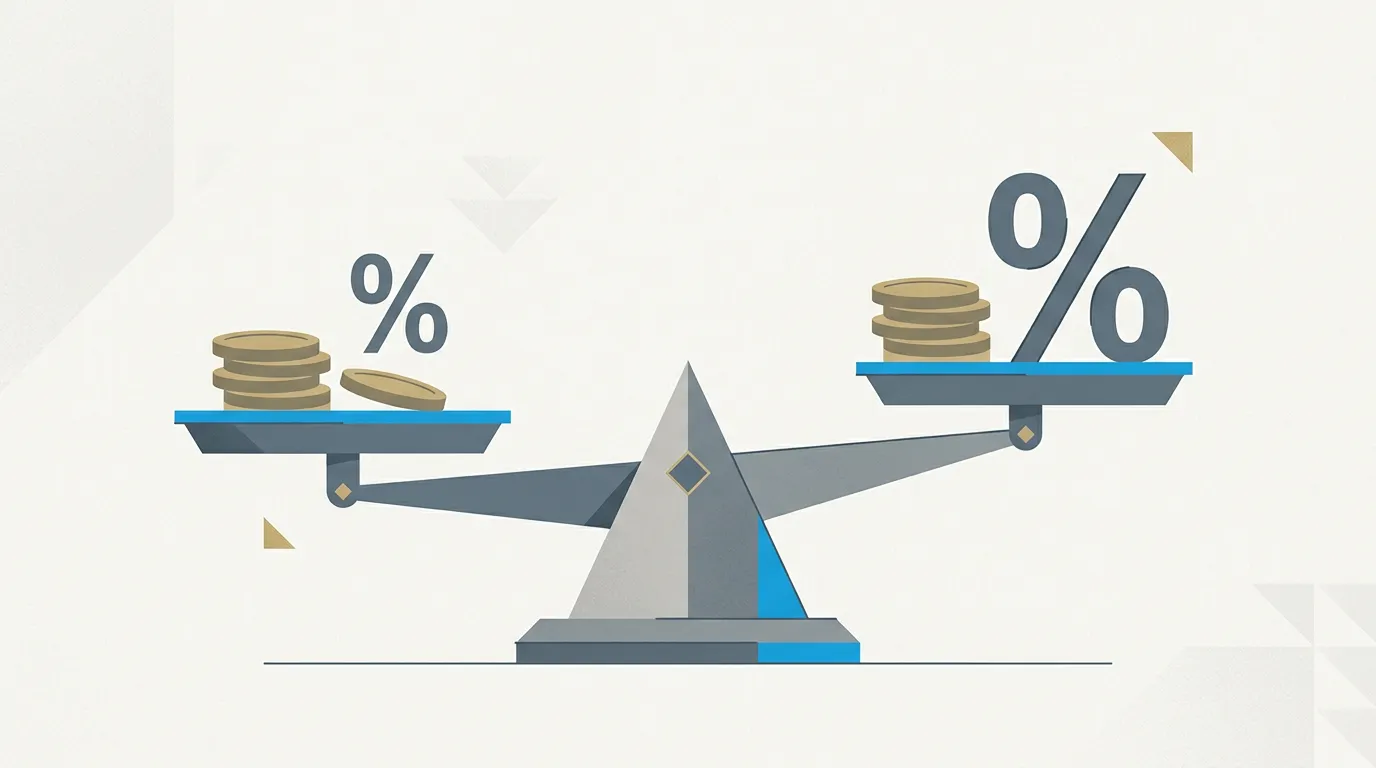
Libertex uses a commission-based model with very tight spreads. The average EURUSD spread sits around 0.4 pips, and you pay a $3 commission per standard lot traded. For active traders who open and close positions frequently, this structure is significantly cheaper than paying wide spreads on every trade. If you're trading multiple lots per day, those spread savings add up fast.
Plus500 Fee Structure
Plus500 charges zero commission but makes its money through wider spreads. The average EURUSD spread is around 1.2 pips, which is three times wider than Libertex's average. For a single standard lot trade, that 0.8 pip difference represents roughly $8 per round trip. If you're a swing trader holding positions for days or weeks and trading infrequently, this might not bother you much. But for active day traders, it adds up.
Other Costs to Watch
- Overnight financing (swap rates): Both brokers charge swap fees for positions held overnight. These vary by instrument and market conditions.
- Inactivity fees: Both Libertex and Plus500 charge inactivity fees if you don't trade for an extended period. Check current rates before leaving your account dormant.
- Deposit and withdrawal fees: Neither broker charges fees on deposits or withdrawals directly, though your payment provider (card issuer, e-wallet) may apply their own charges.
- Currency conversion: If your account currency differs from the instrument's base currency, conversion fees may apply. Opening an account in your preferred currency where possible helps avoid this.
Bottom Line on Costs
Libertex is cheaper for frequent forex trading. Plus500 is simpler to understand cost-wise and may suit traders who prefer no commissions even if spreads are wider. Neither is expensive by industry standards, but the difference matters if you're trading regularly.
Libertex: Pros and Cons
Pros
- Tight EURUSD spreads averaging 0.4 pips, great for active forex traders
- MetaTrader 4 and MT5 access for advanced charting and automated strategies
- Libertex Social copy trading feature helps beginners learn by following experienced traders
- 79 cryptocurrency CFDs, one of the broader selections available
- Rich educational academy with analysis, videos, and market insights
- Unlimited demo account for risk-free practice
- Low minimum deposit from $10
- CySEC regulated with segregated client funds and negative balance protection
Cons
- Commission of $3 per lot adds a cost layer that can confuse beginners
- Inactivity fee applies if you stop trading for a period
- No guaranteed stop-loss orders unlike Plus500
- No Islamic (swap-free) account option noted
- Fewer stock CFDs (139) compared to Plus500's 1550
- Fewer forex pairs (51) than Plus500's 65
Plus500: Pros and Cons
Pros
- Zero commission structure is simple and easy to understand for beginners
- Regulated by FCA, CySEC, and ASIC, among the strongest multi-jurisdictional coverage
- Listed on the London Stock Exchange, adding public accountability
- 1550 stock CFDs and 96 ETF CFDs, far broader than Libertex
- Guaranteed stop-loss orders available to cap maximum downside on trades
- Highly rated mobile app praised for clarity and ease of use
- 65 forex pairs, slightly more than Libertex
- Trading Academy with beginner-friendly courses
Cons
- Wider EURUSD spreads averaging 1.2 pips, more expensive for active traders
- No MetaTrader 4 or MT5 support, limiting advanced charting options
- No copy trading feature, a real disadvantage for beginners wanting to learn
- Limited cryptocurrency CFD selection compared to Libertex's 79
- Inactivity fee applies after periods of no trading
- Proprietary platform only means less flexibility for experienced traders
Our Verdict: Libertex vs Plus500 for Forex Trading
Libertex is the stronger choice for forex trading specifically, thanks to tighter spreads, MT4/MT5 access, and copy trading features that help beginners learn faster. Plus500 suits traders who want simplicity and broader stock CFD access.
If forex is your main focus and you plan to trade with any regularity, Libertex's 0.4 pip average EURUSD spread and $3 commission structure will cost you less over time than Plus500's 1.2 pip spread with no commission. Add in Libertex Social for copy trading and full MT4/MT5 access, and Libertex is the more capable platform for growing as a forex trader. That said, if you're a complete beginner who wants the cleanest possible starting experience and plans to trade stocks and ETFs alongside forex, Plus500's polished app and guaranteed stop-loss feature make it a genuinely solid alternative. Neither broker is a bad choice. It really comes down to your trading style and how serious you plan to get about forex.
Try Libertex FreeSources and References
- [1] Libertex vs Plus500 Comparison Review - I Am Forex Trader (Accessed: Jan 15, 2026)
- [2] Plus500 vs Libertex Broker Comparison - Best Brokers Latam (Accessed: Jan 15, 2026)
- [3] Plus500 vs Libertex Feature Comparison - ExchangeFlow (Accessed: Jan 15, 2026)
- [4] Libertex vs Plus500 Software Comparison - Slashdot (Accessed: Jan 15, 2026)
- [5] Plus500 vs Libertex Trading Comparison - Trade The Day (Accessed: Jan 15, 2026)
- [6] CySEC Licensed Investment Firms Register - Cyprus Securities and Exchange Commission (Accessed: Jan 15, 2026)
- [7] FCA Financial Services Register - Financial Conduct Authority (Accessed: Jan 15, 2026)
Frequently Asked Questions: Libertex vs Plus500
Which broker is better for forex trading, Libertex or Plus500?
What is the minimum deposit for Libertex and Plus500?
Does Plus500 offer copy trading like Libertex?
Can I use MetaTrader 4 or MT5 with Plus500?
Are Libertex and Plus500 safe and regulated?
Which broker has a better demo account for beginners?
Does Plus500 charge commissions on forex trades?
Which broker is better for a complete beginner with no trading experience?
Start Forex Trading with Libertex Today
Tight spreads from 0.4 pips, MT4/MT5 access, copy trading, and a free unlimited demo account. Open your account in minutes.